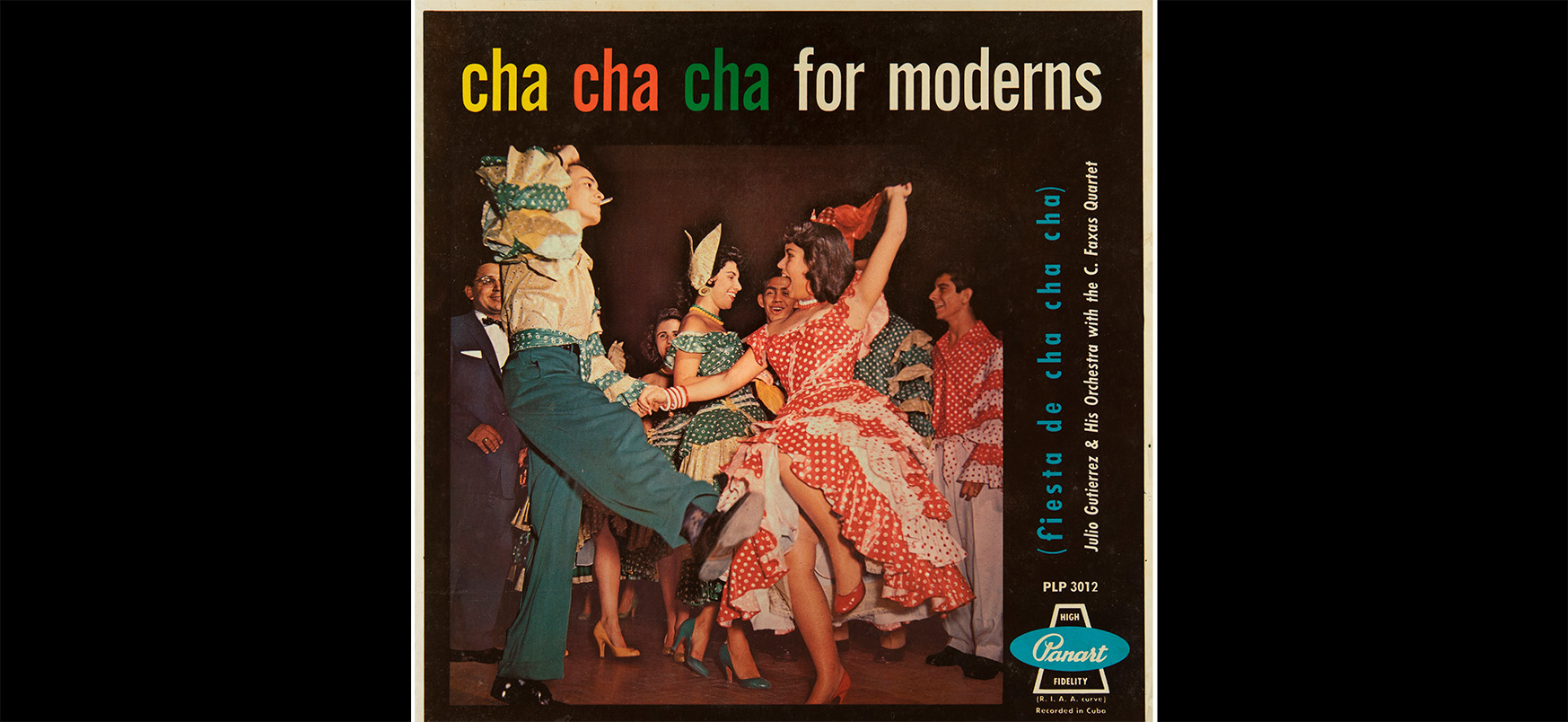
Cha Cha Chá for Moderns by Julio Gutierrez & His Orchestra album cover, Panart Records, 1956
Courtesy of Gladys Palmera Foundation
If You’d Like to Go Latin Here in Manhattan, Try Cha Cha Chá: When Havana's Panart Records came to Lincoln Square
July 06, 2026
by Judy Cantor-Navas
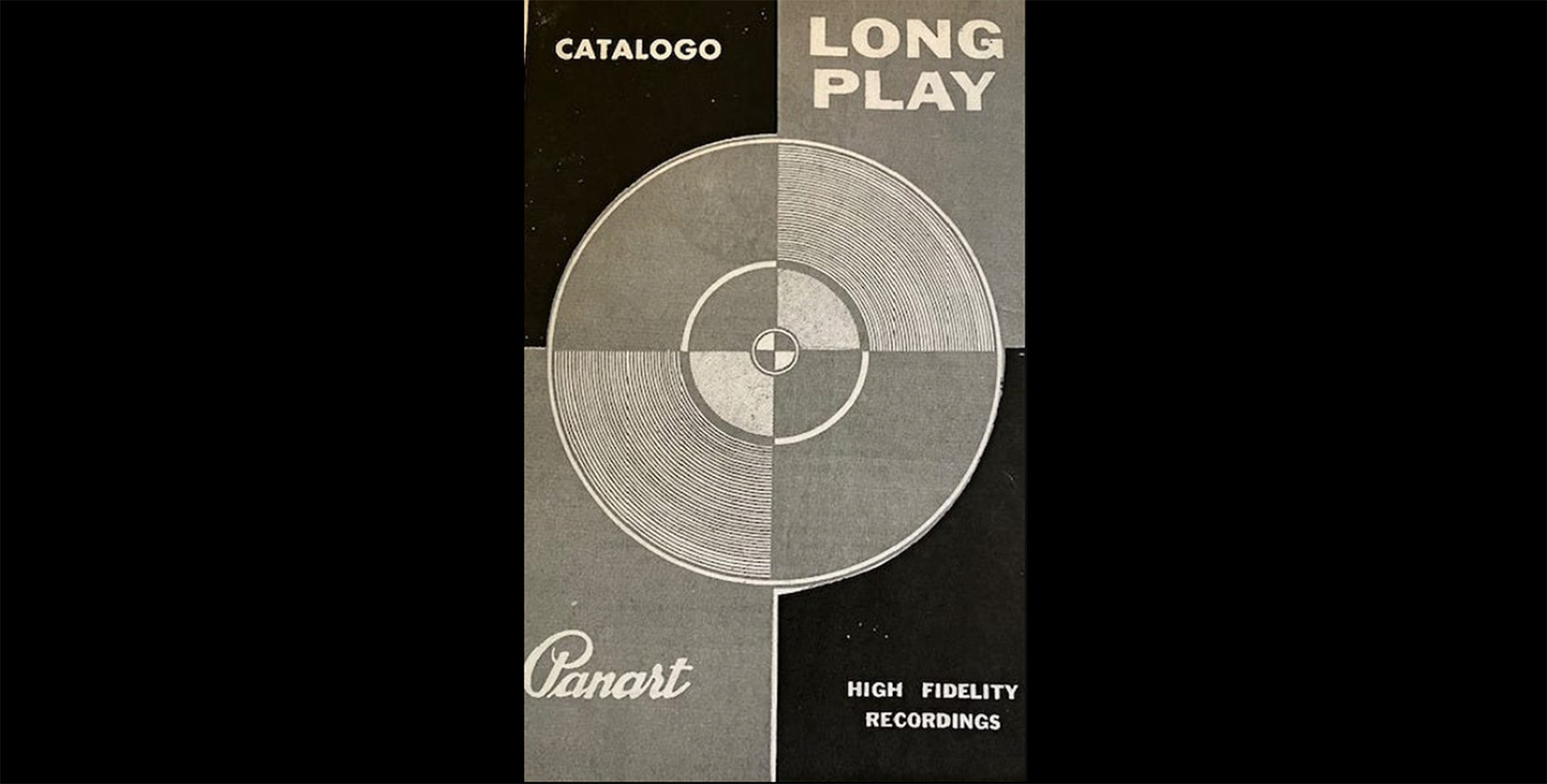
The cover of Panart Records’ 1956 spring catalogue announced the Havana record label’s arrival in the U.S. market with a graphic mid-century modern design and the assurance in bold type that the albums advertised within it were LONG PLAY HIGH FIDELITY recordings. The catalogue offered some 60 Panart albums, whose North American release was accompanied by a promotional campaign waged by Stan Steinhaus, a publicity-savvy New York Latin music label veteran. He could be found manning the phone in Panart’s new office at 1947 Broadway, talking it up to someone at Billboard or Cash Box, or offering a scoop to one of the local newspapermen who penned entertainment columns with names like The New Sounds: Cool, Crazy, Commercial.
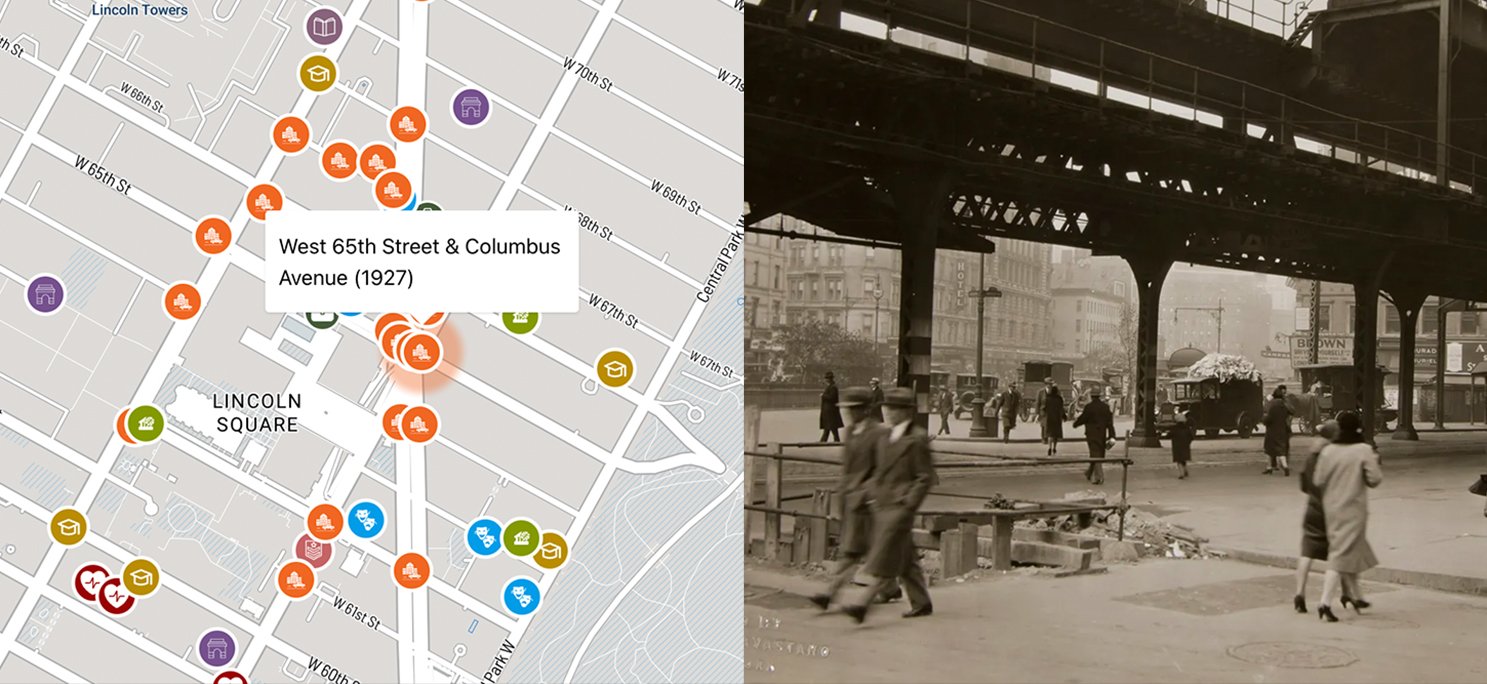
The Cuban record label’s first foreign office, located in the Lincoln Square Arcade complex between 65th and 66th Streets, was just big enough to fit Steinhaus’ desk and a small storeroom that was stacked with cardboard boxes containing albums whose covers beckoned with images of showgirls and congas, tropical landscapes and jam sessions in full swing. Steinhaus, who just the year before had been named Panart’s man in New York, would hand deliver the records to the trades, to DJs and to ballroom dance teachers. He prepared weekly packages to send by post to radio programmers across the country, or maybe to the manager of a Hollywood star, say Marlon Brando, who in 1956 traveled to Havana in search of an authentic set of bongos; or an American singer like Eartha Kitt, who debuted that year on the Cuban cabaret scene, which American club hoppers had taken to calling “the Daiquiri Belt.”
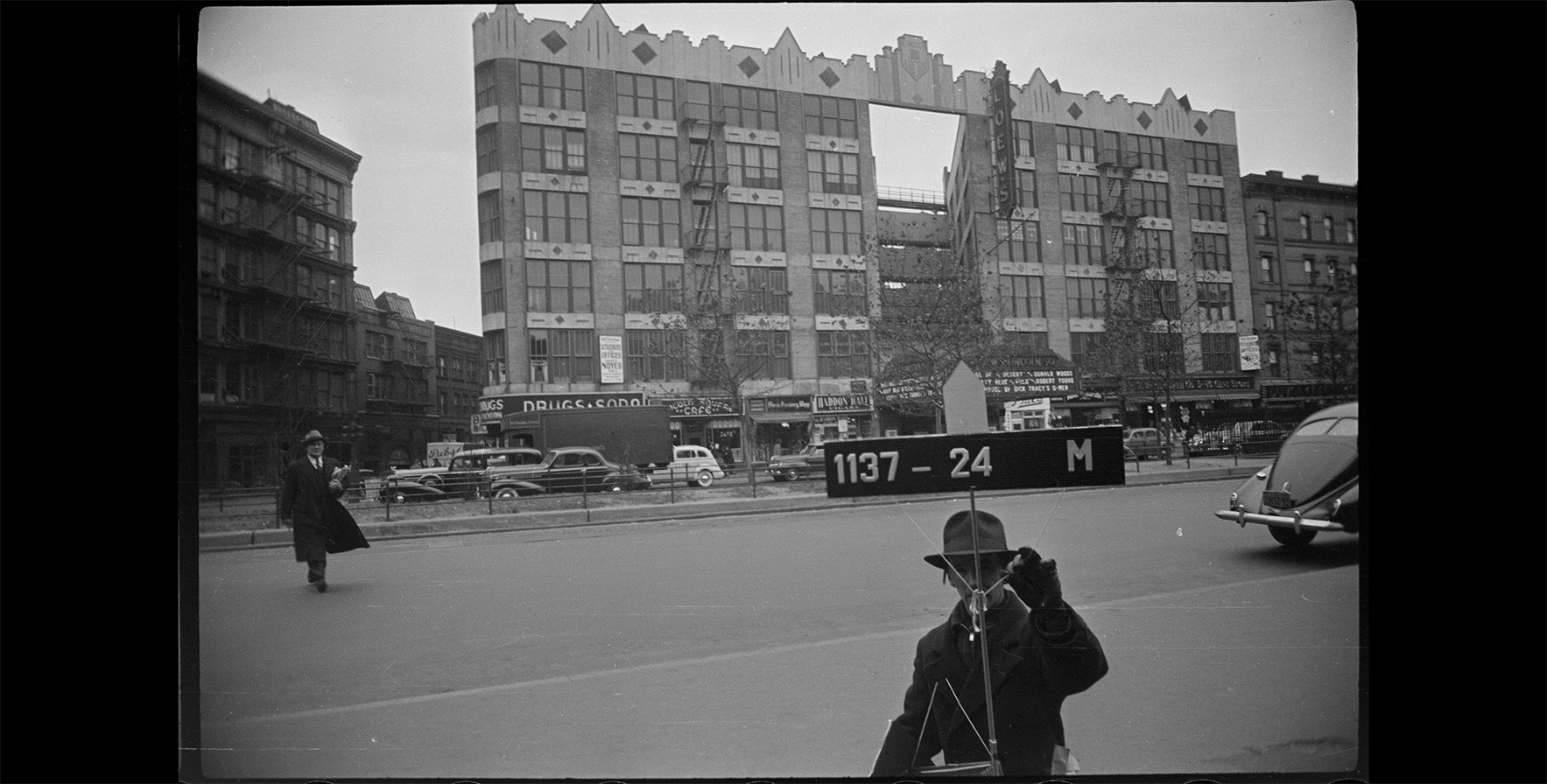
Panart’s neighbors at 1947 Broadway included Nelson Parfums, which sold its Gold and Velvet Cologne by mail; the proletariat art magazine Reality, whose articles were written by Ben Shahn and other social realist painters; the local Girl Scouts office, and also an agency that blatantly searched for a different kind of “Girls” in newspaper ads that offered “steady work” for “ex-dancers.”
Unlike the nearby marvelously modern art deco skyscraper of the multinational RCA Victor at Rockefeller Center, or the former Vanderbilt guest house on East 52nd street where Columbia Records studios were headquartered, the Cuban record label’s office was certainly no showplace. But still, it was a place to have a presence in New York, and in the center of Manhattan no less, not far from the entertainment capital of Times Square. By the mid-fifties, Lincoln Arcade, which had once provided Eugene O’Neill, Marcel Duchamp and Milton Avery with living spaces and studios, was best known as the location of CBS Television’s Studio 60, the revamped Lincoln Square theater, where Dizzy Gillespie and Errol Garner had jammed in 1945. In the fifties, Comedian Ernie Kovacs’ pioneering comedy hour and other CBS variety and game shows were broadcast live from the first-floor venue.
In addition to the desirable show biz sheen of a Broadway address, the location of the record company’s modest office was a perfect spot from which to reach both the Spanish and the English-speaking audiences that the pioneering Cuban label had been nurturing from cosmopolitan Havana for over a decade. The conversations on the streets of the surrounding area of Lincoln Square, and greater San Juan Hill to the West, were as bilingual as the copy in that first U.S. Panart catalogue, which employed English descriptions like “hot rhythm and blues from Cuba” to promote its Spanish titles by leading Cuban bands. Like the historic music venues in San Juan Hill, the Panart studio in Havana was a meeting point for Latin music and jazz.
While Steinhaus worked the phones to place the label’s product in the mainstream English-language press and the Main Street record stores across America, the promoter also knew the value of the potential listeners who lived right in the neighborhood, where at the time the Puerto Rican population numbered about 3,000 residents. That captive audience bopped to songs streaming from open windows and cars as they walked down the street. They listened to juke boxes in the nearby bars, and shopped in the neighborhood Mom and Pop stores. In those urban markets run by immigrant entrepreneurs, the bodegas that would multiply in U.S. cities in the next decades in tandem with the growth of Latin music, the sales from a small stack of records placed on the counter or in a rack at the back of the store could be life blood for an independent label.
The Mambo Era
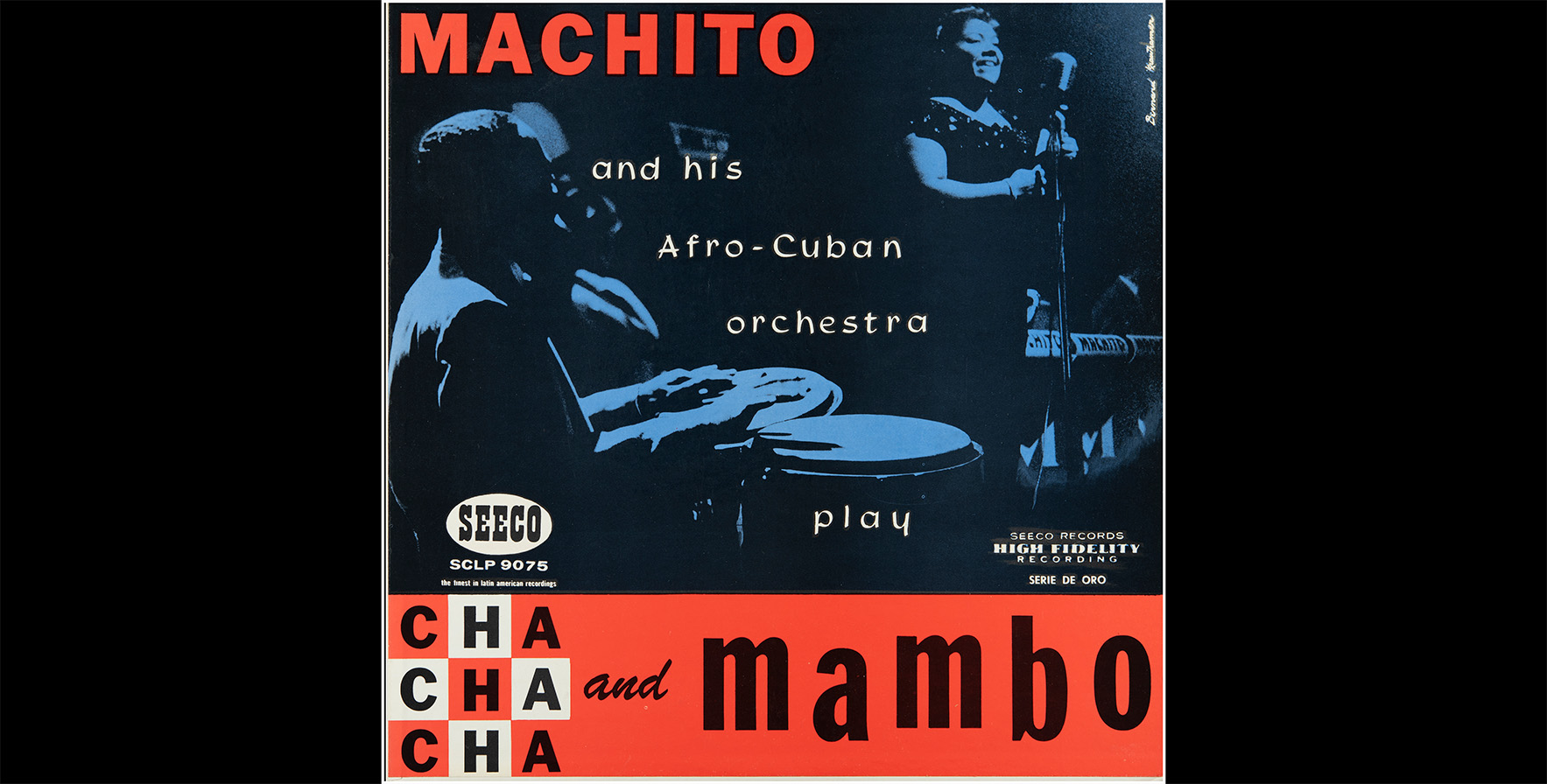
When the mambo invaded New York after World War II, that bold and infectious Cuban big band sound shook off the dark shadows with “dirty” dancing that advocated for a new era of sexual freedom while it infiltrated polite society with the ease of a little black dress. The Jewish Latin music obsessives known as mamboniks mingled with the area’s Puerto Rican residents just blocks from Panart’s office at the Palladium Ballroom, the mambo palace on Broadway and 53rd Street. A legendarily mixed-race crowd danced to the orchestras of the “big three:” the Cuban bandleader Machito, timbale king Tito Puente and Puerto Rican crooner Tito Rodríguez. José Fajardo, one of Cuba’s greatest showmen and a Panart star, also played the Palladium. Two blocks down, the high-style Havana-Madrid club frequently brought in bands direct from Cuba.
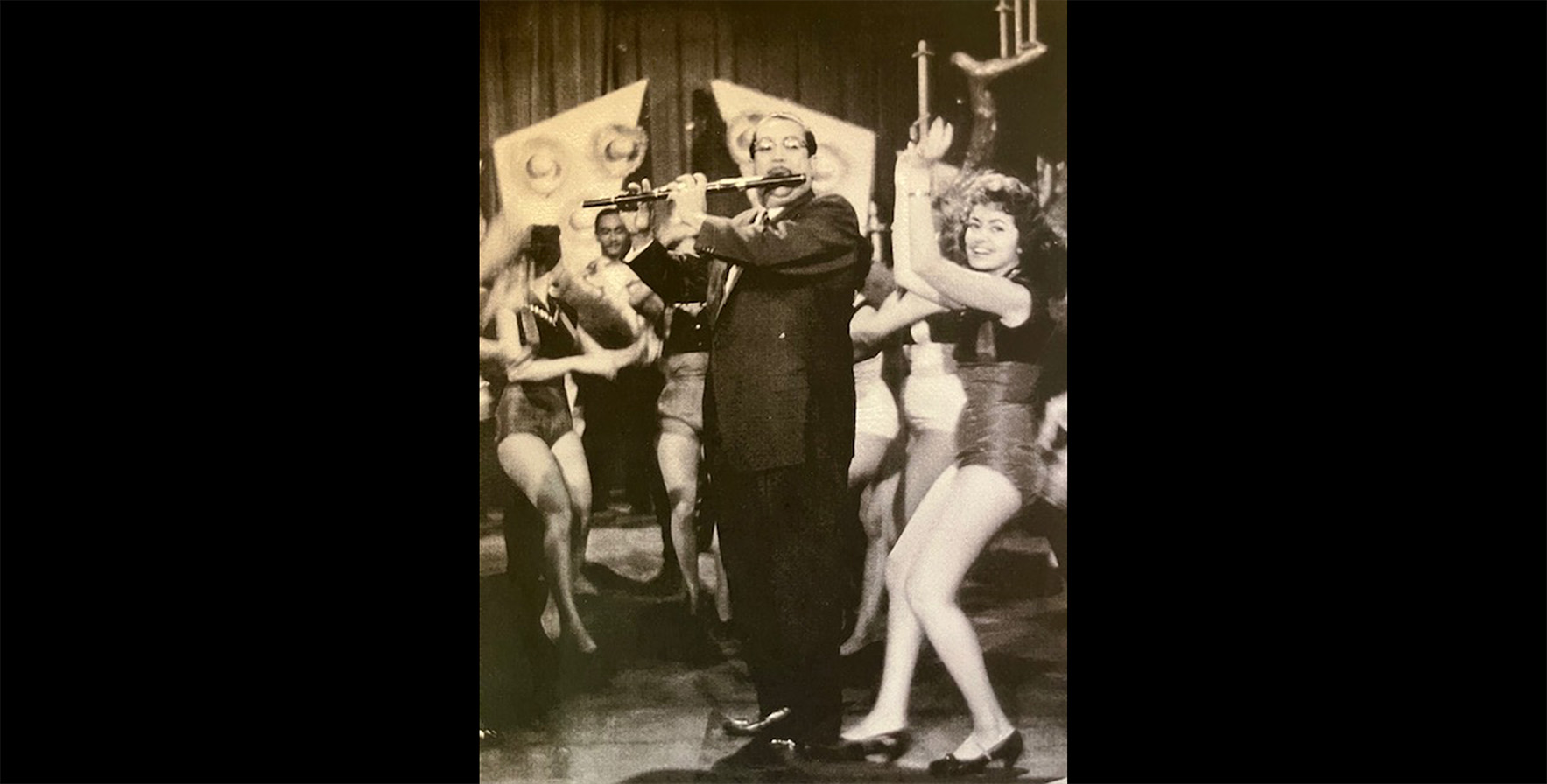
The mambo was a competitive spectacle, at its best involving not only fast footwork and supple hips, but also acrobatic improvisation and an innate sense of groove that knew no borders. Ballroom dance schools that sprung up in Mid-Manhattan encouraged neophytes to get on the floor. There was Miss Alma’s on Broadway and 47th Street, d’Avalos on West 57th Street, Miss Julie’s and the Lewis studio over on 42nd Street. In the mid-1950s, along with the mambo, foxtrot, tango and rumba, the academies started to offer lessons in a new dance called the cha cha chá, even as its simplicity threatened to make those very schools obsolete. That new post-mambo style distilled Cuban dance music to its most democratic incarnation: virtually anyone who could count to three could dance to the rhythm whose very name mimicked the shuffle of shoes on polished wood.
As Sam Cooke sang (albeit a little late to the party in 1959), “Everybody Likes to Cha Cha Chá.” For Panart Records, the new rhythm would be a calling card, an entry point for international success. And the Cuban label was not only on top of the international cha cha chá craze. It had started it.
The first recorded cha cha chá was “La Engañadora.” It was a bawdy revenge song written from the point of view of a man rejected by a woman whose assets, he called out, were not what they seemed to be: She stuffed her bra. It was written by the violinist Enrique Jorrín, a member of Orquesta América, led by the singer Ninón Mondéjar. Panart put out the song in 1953, before the new style even had a name. On the single’s label, it’s described as a mambo-rumba.
“La Engañadora” reportedly sold a record 13,000 copies in Cuba the year after its release. Those proceeds helped to start up the Panart record factory. The first-ever record production plant in Cuba, it was set among mango groves located on the road to the Havana airport. The low building’s tropical architecture would serve as a model for recording facilities throughout Latin America. Its white-washed façade was crowned with a giant replica of the “La Engañadora” single.
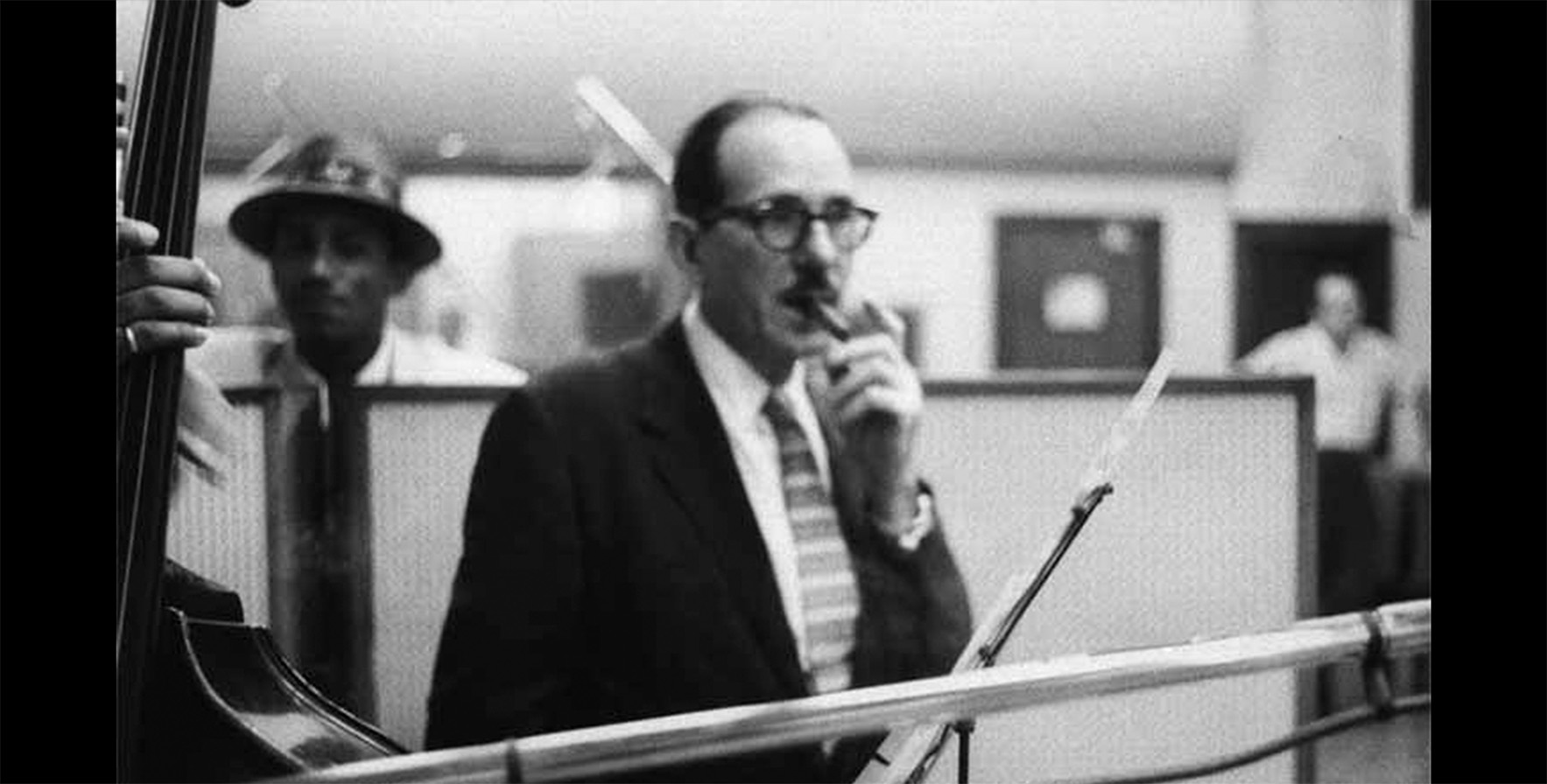
The First Cuban Record Factory
Ramón Sabat, Panart’s founder, had grown up in the Cuban countryside near Cienfuegos. By the time he was a teenager, he had his sights set on the big city. Not Havana, but New York, where after arriving by boat from Cuba and a train from Miami he got a job as a hotel maintenance man at the Commodore Hotel, next to Grand Central Station. In the 1930s, he worked as floor manager at a succession of Manhattan Latino entertainment venues, including the Cubanacan in Harlem and the Yumuri on Broadway and West 52nd Street.
Sabat combined his love of music and head for electrical inventions as a student at New York University, where he was among a pioneering cohort of recording engineers. He became the chief engineer at Musicraft, a progressive indie label which offered cheap classical recordings as well as world and roots music, including Lead Belly’s Negro Sinful Songs. Like other small labels, Musicraft was a casualty of World War II’s materials shortages, and also the draft of its founders into the army. When it shut down, Sabat, who at age 38 was not called up, sensed the timing was right for making records in Havana. In 1941 he married Julia Riera, an American of Puerto Rican and Cuban heritage. A Barnard grad, she was then working on Time Magazine’s foreign desk. The next year, they made the move to Cuba on a Pan Am Clipper from Miami. Their Pontiac, two used record presses and some boxes of precious acetate followed by cargo boat.
Sabat founded the first independent Cuban record company in 1943, inaugurating a domestic record industry on the island. The challenge of a lack of market infrastructure for an indie label in Cuba was exacerbated by the aggressive presence of RCA Victor, which pressured stores not to carry Panart’s records. But Sabat had an advantage. Victor recorded music in Havana, but its records were American made. The process could take months, and the Cuban bands needed to get the new songs they played at their shows on the street before the fans were distracted by someone else’s hit. Panart, which pressed its records right on the patio of the recording studio located in a colonial house in downtown Havana, could have their singles sounding from one of the 6,000 jukeboxes in Cuba’s corner bars within a few days.
Sabat’s hustle to record anything that he sensed could find an audience made Panart a label of firsts. The surprising santería chants that were Celia Cruz’s first studio recordings were on Panart. A teenager named Olga Guillot, later to become known throughout Latin America as the Queen of Bolero, made her debut in the Panart studio singing “Lluvia Gris,” a Spanish version of “Stormy Weather.” Among the first popular Panart singles was the bolero “Dos Gardenias,” sung by Puerto Rican idol Daniel Santos with the Cuban supergroup La Sonora Matancera. Perez Prado’s first mambos, Compay Segundo’s first solo album and a groundbreaking set of five Cuban jam session albums would all be recorded on Panart.
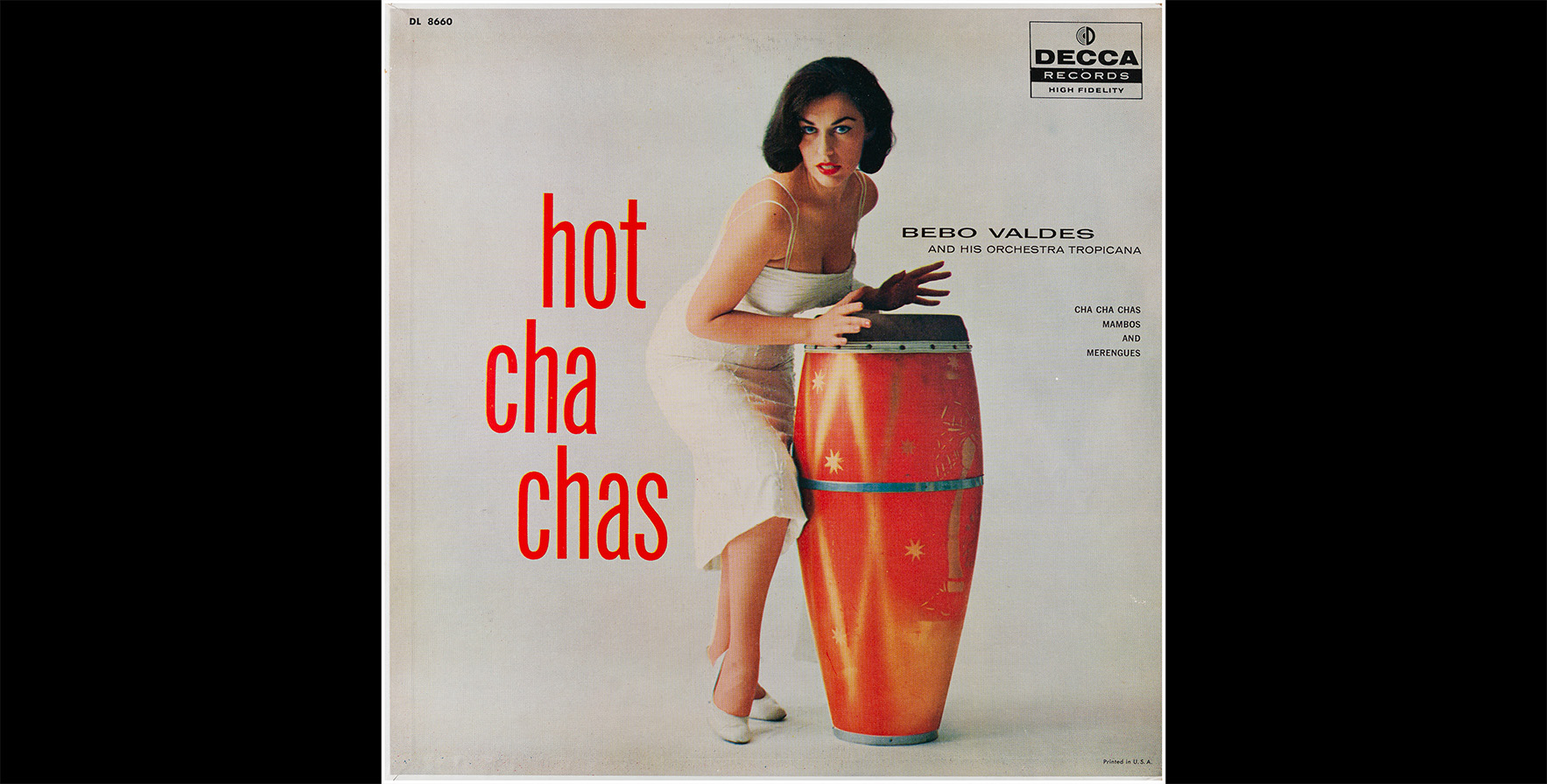
Go Latin from Manhattan
In those days, the latest rhythms passed between musicians in Havana and New York with the speed of a telegram, and in the wake of “La Engañadora,” bands were soon playing the cha cha chá around the five boroughs. In 1955, a tsunami of recordings brought the sound all over America. Tito Puente put out three cha cha chá albums that year. Xavier Cugat, whose band was in residence at Manhattan’s Waldorf Astoria, recorded an album that opened with a track called “The Brand New Cha Cha Chá.” The artist known as Joe Loco, a native of Hell’s Kitchen who attended Haaren High School and went on to play piano with Machito’s band, had success with “Cha-Cha-Chá No. 5.” Big band composer Billy May came out with the “Arthur Murray Cha Chá.” A song whose lyrics best expressed New York’s hot embrace of the trend was “Cha Cha Chá in Blue,” the title track of Cuban-born New York bandleader José Curbelo’s 1956 album, sung in English and Spanish by Betty Shepard and the Puerto Rican sonero Mon Rivera:
“If you’d like to go Latin here in Manhattan try cha cha chá
That easy-to dance it’s smoother than satin wonderful cha cha chá
So come on and get happy swinging and singing the cha cha cha chá
the new dancing style and get rid of your worries doing the cha cha chá
From Havana it came, in New York it gained fame…”
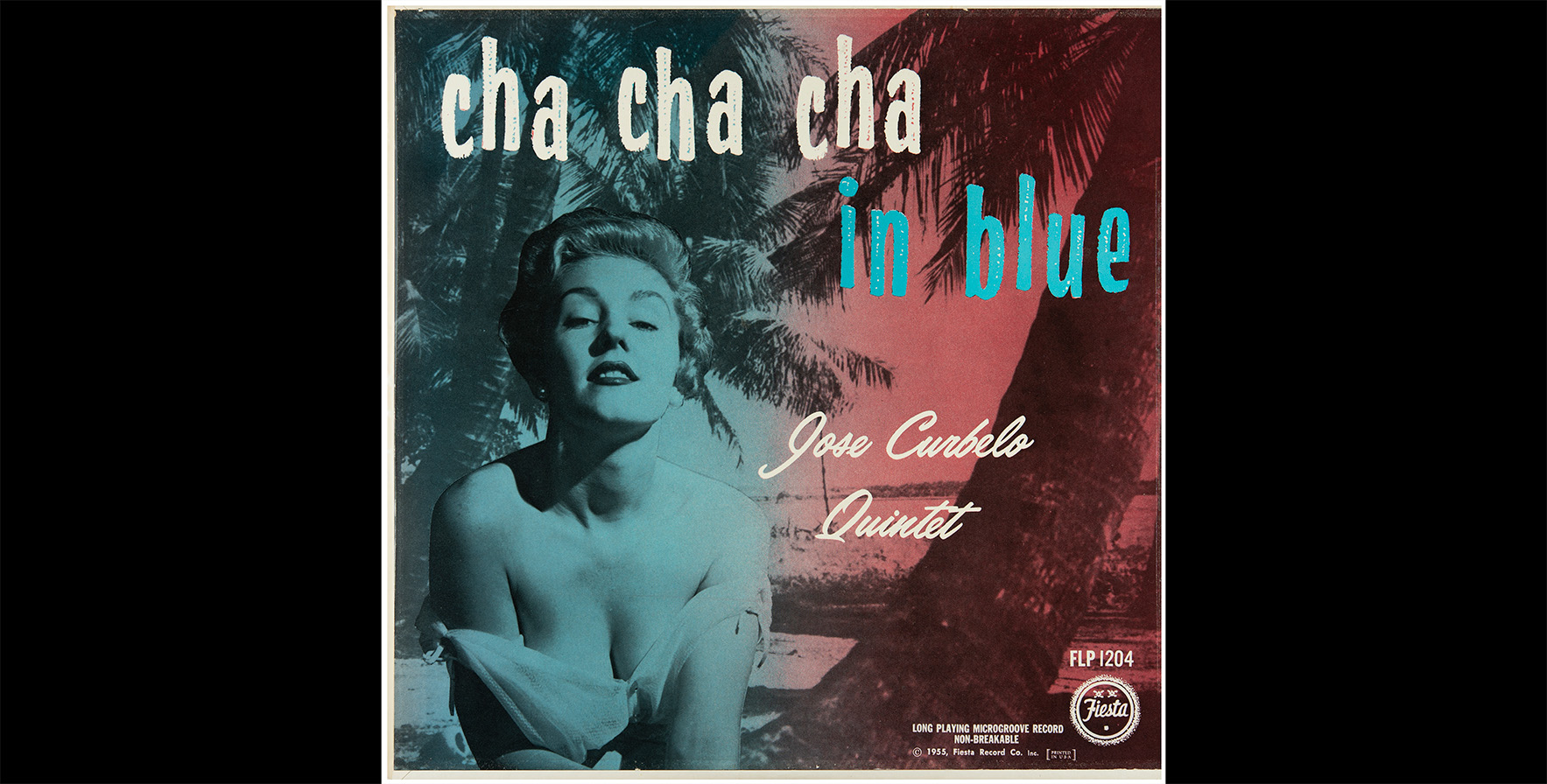
The cha cha chá allowed New York Latin labels like Seeco, located on West 60th Street, Tico at 47th and Tenth Avenue, and Fiesta, in the Brill Building at 1619 Broadway, to increase their impact in the mainstream. Majors RCA Victor, Columbia and EMI jumped on the trend, if a beat behind. One Billboard article noted that Panart’s introduction of the infectious cha cha chá had caught EMI “with its maracas down.”
Panart put out U.S. releases of albums by Orquesta América, Fajardo and Orquesta Riverside, and even a Christmas Cha Cha Chá album. Those three little words, cha cha chá, sold records, and in the label’s catalogue it was liberally applied to albums that included diverse Cuban styles. Stan Kenton arranger Chico O’Farrill’s 1956 album was even released under two titles to appeal to both general audiences caught up in the craze and also more discerning listeners: Chico O’Farrill, Cuban jazz King, and Chico’s Cha Cha Chá.
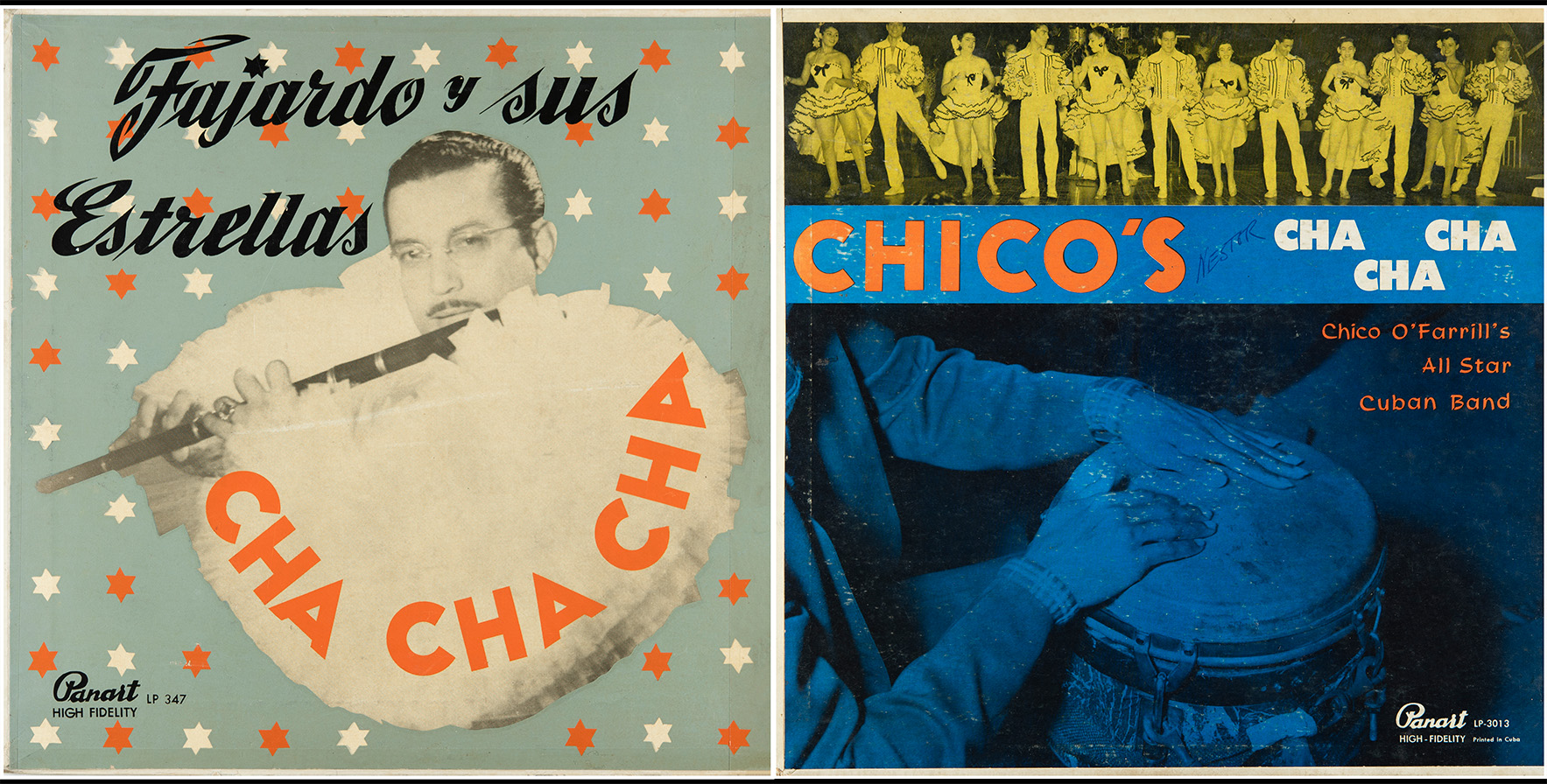
The cha cha chá fever paralleled the rise of tourism in Havana, where the proliferation of commercial air travel combined with the boost in middle-class income and leisure time in the post-war era was bringing some 349,000 tourists a year from the U.S. to Cuba. A writer for The Boston Globe described it as “the biggest invasion since Columbus became the first tourist [on the island] in 1493.”
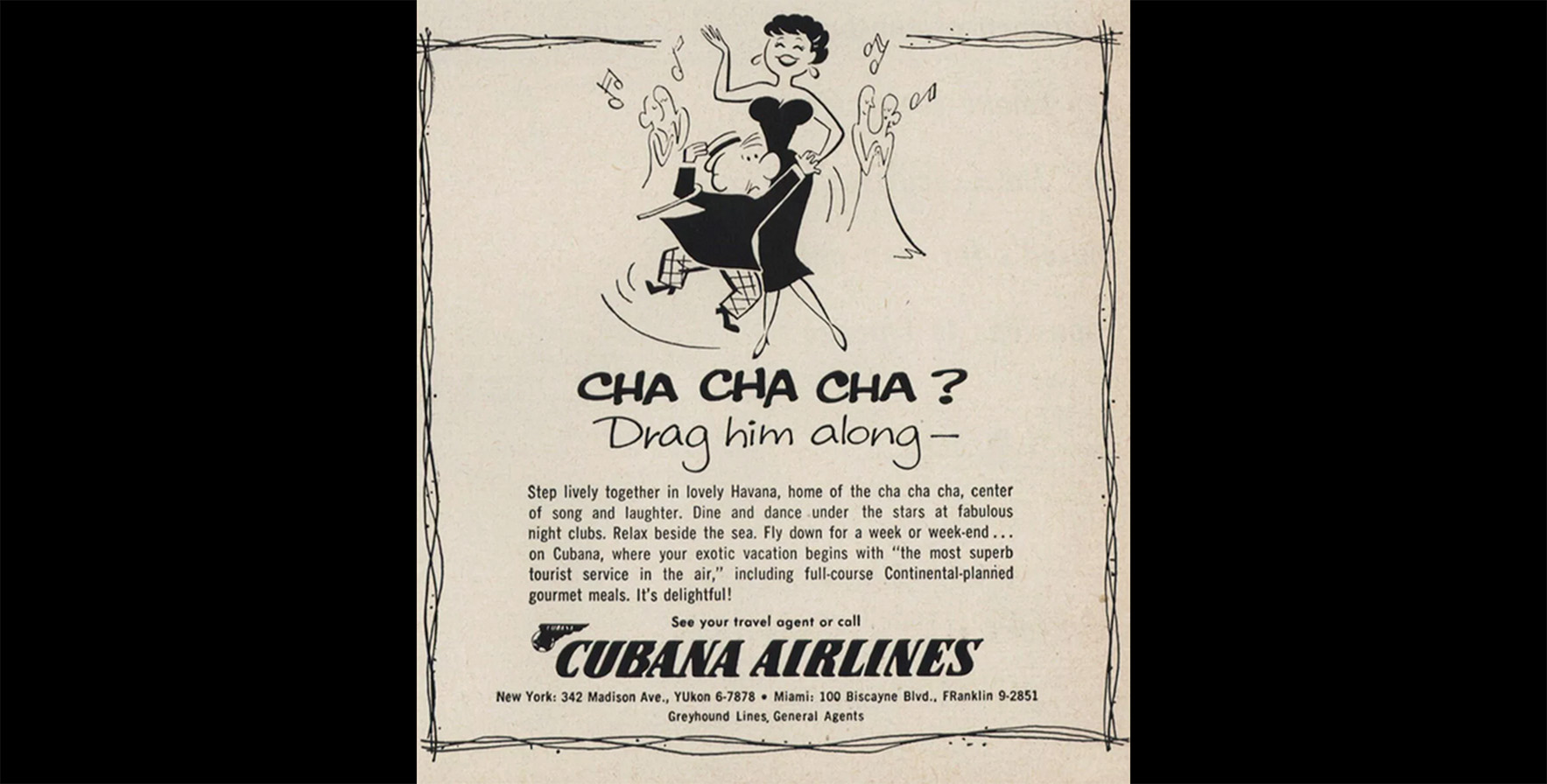
In May of 1956, a billboard went up in Times Square announcing Cubana airlines’ inaugural direct flights from New York to Havana. The ad’s tag line echoed Curbelo’s song “Cha Cha Chá in Blue,” urging New Yorkers to “Go Latin From Manhattan.” Steinhaus struck a deal with the airline, and every passenger on those first flights received a Panart record as a gift.
That same spring, the New York newspapers announced the “Slum Clearance Committee” chairman Robert Moses’ proposed Lincoln Square redevelopment project. In June of 1958, immediately following a Supreme Court decision giving a green light to the $205 million project, the New York Daily News reported that the first of 5,000 families targeted for removal from the area was relocated. Twenty-three-year-old José A. Sanchez, whom the paper identified as a "$59-a-week carton packer in a music firm," his wife and ten-month-old son were moved to a “low rent housing development on Amsterdam and 61st." That year, 2,000 Puerto Ricans in the neighborhood were displaced, according to research conducted by The Center for Puerto Rican Studies at Hunter College.
The sound of street music was replaced by the boom of building demolitions that made way for Lincoln Center. Outside of Panart’s office, tenants of 1947 Broadway gathered to protest their imminent eviction on the sidewalk in front of the building. They fought until 1959, when a New York Supreme Court judge ordered the removal of the Lincoln Arcade’s commercial tenants. The building was razed to make way for the Julliard School.
Panart moved to an office on lower Park Avenue, a swankier address suited to its growing international success. The label was at the top of its game. But at the same time that construction noise heralded the changes on Manhattan’s West Side, in Havana the sound of street demonstrations and bombings in nightclubs signaled the imminent transformation in Cuba that came with the flight of the dictator Fulgencio Batista just after Cubans rang in the New Year in 1959, and the subsequent arrival of Fidel Castro’s rebels to the city.
Sabat kept Panart going until 1961. One morning that May, envoys from Castro’s government took over the Panart offices in Havana, the studio and the factory. The Sabat family went into exile in Miami. They closed the Manhattan office, but would continue to live off of royalties from the label’s albums sold outside of Cuba as long as that lasted. After Ramón Sabat’s death in 1986, Julia sold off the catalogue for a fraction of its worth. Stan Steinhaus would find work representing Mexican and Venezuelan record companies.
Like San Juan Hill, Panart’s name and its legacy were erased in the name of progress. In the 1960s, at the same time Lincoln Center would draw tuxedoed audiences to its performances of classical music and opera in New York, in Havana, the Cuban government created a State-run record label with Socialist ideals, called Egrem. The former Panart studio, under the new name Areito, would continue to be the main site of Cuba’s recorded music for the next five decades. But there would be no New York office or sales in the United States.
In 1962, the same year that President John F. Kennedy proclaimed a trade embargo against Cuba, Sam Cooke had a top-ten hit with a song about a new dance craze. Dancers left the cha cha chá behind as the twist paved the way for the age of rock and roll.